Feb 11, 2026
renovation
You have the vision. A space that not only captivates with its beauty but performs flawlessly, creating an experience that feels both inspired and effortless. Many projects begin with a rush toward the tangible elements: the materials, the fixtures, the colors. But this is like composing a symphony by starting with the third movement. A truly successful, seamless, and financially sound project is built on a bedrock of strategic choices. It requires shifting your mindset from that of a client with a vision to that of a CEO of your own landmark project.
This is not a checklist of design phases. This is a guide to the five foundational decisions that form the strategic core of any ambitious project. Mastering these early on transforms complexity into clarity, empowering you to lead your project with confidence and ensuring every subsequent choice is coherent, effective, and aligned with your ultimate goal.
1. The Decision of Intent: Crafting the Strategic Brief
"A house is a machine for living in" — Le Corbusier
Before you can create the right space, you must deeply understand its purpose. A strategic brief is more than a collection of Pinterest images, it’s a master plan that articulates the project's functional needs, emotional resonance, and long-term objectives. It's thinking about the machinery that should be implemented for the most optimal overall human experience in that space.
Critical Questions to Ask:
• The User Experience: How will the space be truly used on a daily basis? What are the key activities and workflows it must support for residents, guests, or staff?
• The Emotional Vision: How do you want people to feel when they are in the space? Energized, serene, inspired, secure? This emotional endpoint is the true north for all design decisions.
• The Long-Term Asset: How will this property evolve over the next 5-10 years? What future needs or opportunities should the design anticipate and accommodate?
The Takeaway: A powerful brief is the constitution for your project. It ensures that every design choice, from the floor plan to the door handles, serves a clear and unified purpose.
2. The Decision of Investment: Building the Financial Framework
A budget is not a single number; it’s a comprehensive financial strategy. For a high-end project, understanding the Total Project Cost is paramount. This includes not only construction and finishes but also professional fees, permits, taxes, and a crucial contingency fund for unforeseen opportunities and challenges.
Critical Questions to Ask:
• Total Investment vs. Construction Budget: Have you defined your all-in investment? Have you allocated 15-25% for professional fees and a 15-20% contingency fund on top of your desired construction spend?
• Aspiration & Allocation: Have you stress-tested your budget against your aspirations? A high-end finish has a specific cost architecture. Understanding this early prevents painful compromises and enables value-driven decisions.
• Phasing & ROI: If the full vision exceeds the immediate budget, can the project be intelligently phased to align with financial goals or revenue milestones without compromising the final outcome?
The Takeaway: Financial clarity is the foundation of a low-stress project. Approaching your budget as a strategic financial plan empowers you to invest with confidence and maximize the value of every dollar spent.
3. The Decision of Team: Assembling the Delivery Model
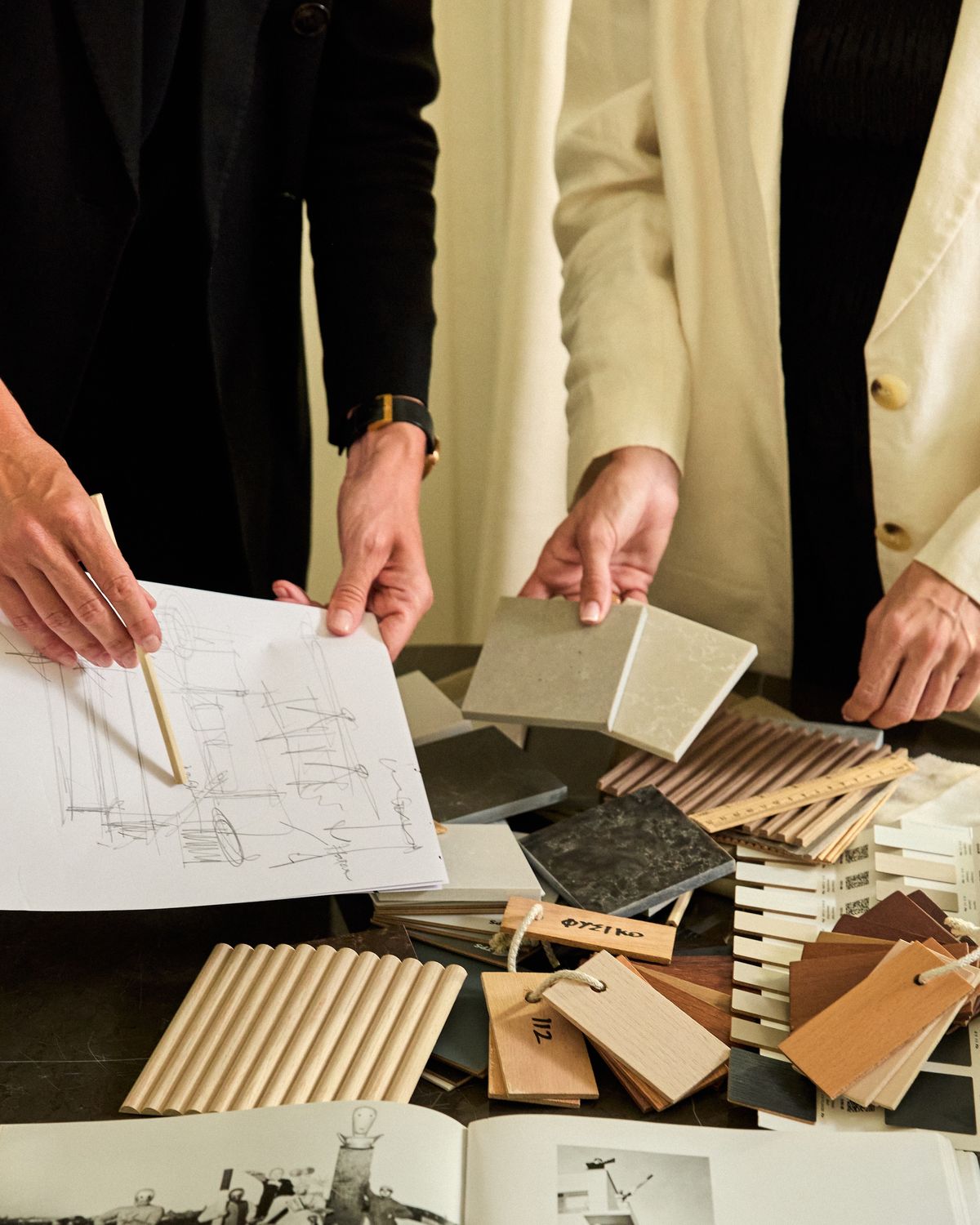
The single greatest predictor of a project's success is the quality, expertise, and collaborative spirit of the team you assemble. The choice of architect, designer, and builder, and how they are contracted to work together will define your experience and the final result.
Critical Questions to Ask:
• Who is the Project Quarterback? Does your project require an architect to lead complex structural changes, a designer to drive the experiential vision, or an integrated design-build firm for a streamlined process? Understanding the strengths of each model and persona is key.
• Assessing True Expertise: Does the professional have a proven track record of projects similar in scale, style, and complexity to yours? Can their references speak to their ability to manage budgets, timelines, and challenges effectively?
• Chemistry & Communication: Do you trust this team to be a steward of your vision and investment? Is their communication style proactive, transparent, and aligned with your own?
The Takeaway: Do not rush this decision. The right team is an investment that pays for itself many times over through expert guidance, creative problem-solving, and meticulous risk management.
4. The Decision of Time: Architecting the Project Roadmap
Time is a resource most valuable than money. A realistic timeline is not a simple calendar but a strategic document that maps the intricate dependencies of a complex project. Ambitious, high-quality projects are a marathon, not a sprint.
Critical Questions to Ask:
• Have You Mapped the Unseen Phases? A professional timeline allocates significant time for strategic briefing, concept design, detailed design, permitting, contractor bidding, and procurement, all before construction begins.
• What Are the Long-Lead Items? Have you identified materials or custom elements (e.g., bespoke joinery, imported stone, specialized lighting) that could impact the critical path and factored their procurement into the master schedule?
• What is Your Definition of 'On Time'? Are there immovable deadlines, such as a hotel opening date or a lease expiry, that must be met? How will the plan build in buffers for inevitable, unforeseen delays?
The Takeaway: An optimistic timeline is a recipe for frustration. A strategic roadmap, developed with your professional team, provides clarity, manages expectations, and keeps the entire project moving forward with purpose.
5. The Decision of Foresight: Building in Resilience
Every ambitious project involves an element of the unknown. The difference between a successful project and a stressful one is not the absence of challenges, but the presence of a plan to navigate them with grace and intelligence.
Critical Questions to Ask:
• What Are the Known Unknowns? Have you and your team identified potential complexities specific to your project (e.g., planning hurdles in a historic district, structural surprises in an older building, supply chain volatility)?
• Is Your Contingency Plan a True Buffer? Is your 15-20% contingency fund a protected resource for unforeseen issues, or is it a slush fund for scope creep? How will you make decisions when unexpected opportunities or challenges arise?
• What is the Communication Protocol for Issues? Have you established a clear process with your team for how challenges will be identified, costed, and resolved collaboratively and without drama?
The Takeaway: Proactive foresight is not pessimism; it’s the hallmark of a professional, well-managed project. Building in resilience protects your investment and ensures that challenges are treated as manageable events, not project-derailing crises.
From Complexity to Clarity
By focusing on these five foundational decisions, you transform the daunting complexity of a major project into a clear, manageable, and even enjoyable process. You shift from being a passive client to an empowered leader, equipped to make informed decisions that protect your investment and elevate your outcome.
This strategic approach is the core of our practice. We believe that an exceptional result is born from a masterful plan and proactive collaboration.
FAQ
Q: This feels like a lot of upfront work. Is it all necessary?
A: It is the most valuable work you will do. The time invested in strategic planning is the single greatest factor in preventing costly mistakes and delays. An hour of planning at the start is worth a hundred hours of rework later.
Q: Can't my designer or architect handle all of this for me?
A: A great professional team will be your guide and co-pilot through this process, but your own clarity on your intent, investment, and priorities is the essential ingredient for a truly collaborative and successful partnership.
Q: My project is smaller in scale. Do these principles still apply?
A: Absolutely. The scale of the project may change, but the principles of strategic planning remain the same. Whether you are renovating a single space or developing a multi-unit property, a structured approach will always yield a superior result.
If you want to move from a powerful vision to a concrete plan of action, we invite you to book a virtual consultation with our team or send us a message to discuss the path forward.
Don’t delay your project in the very first stage, availability for this quarter is almost full!